 Image 1 of 1
Pacing, Pause & Rest: Preventing and Recovering from Burnout
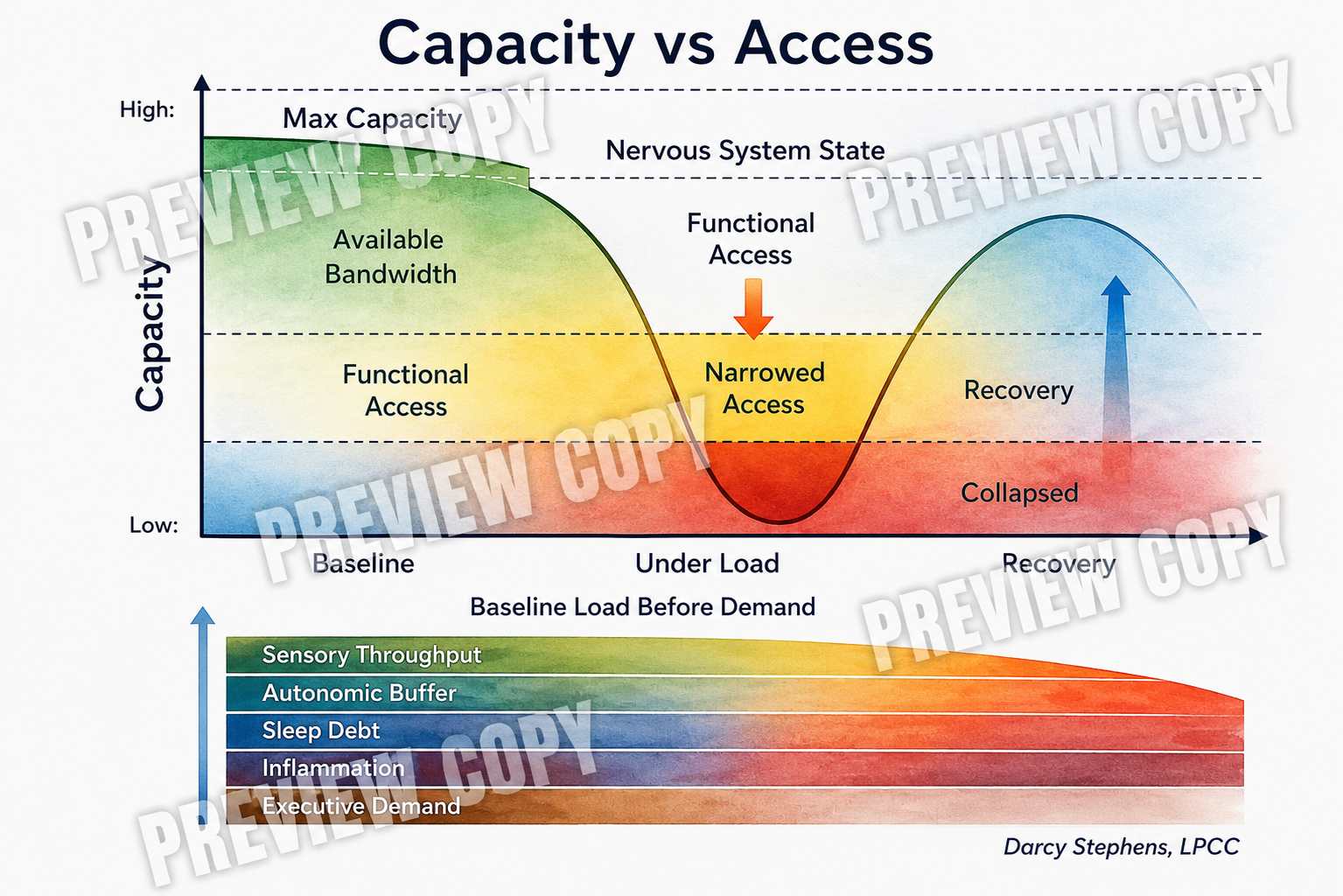
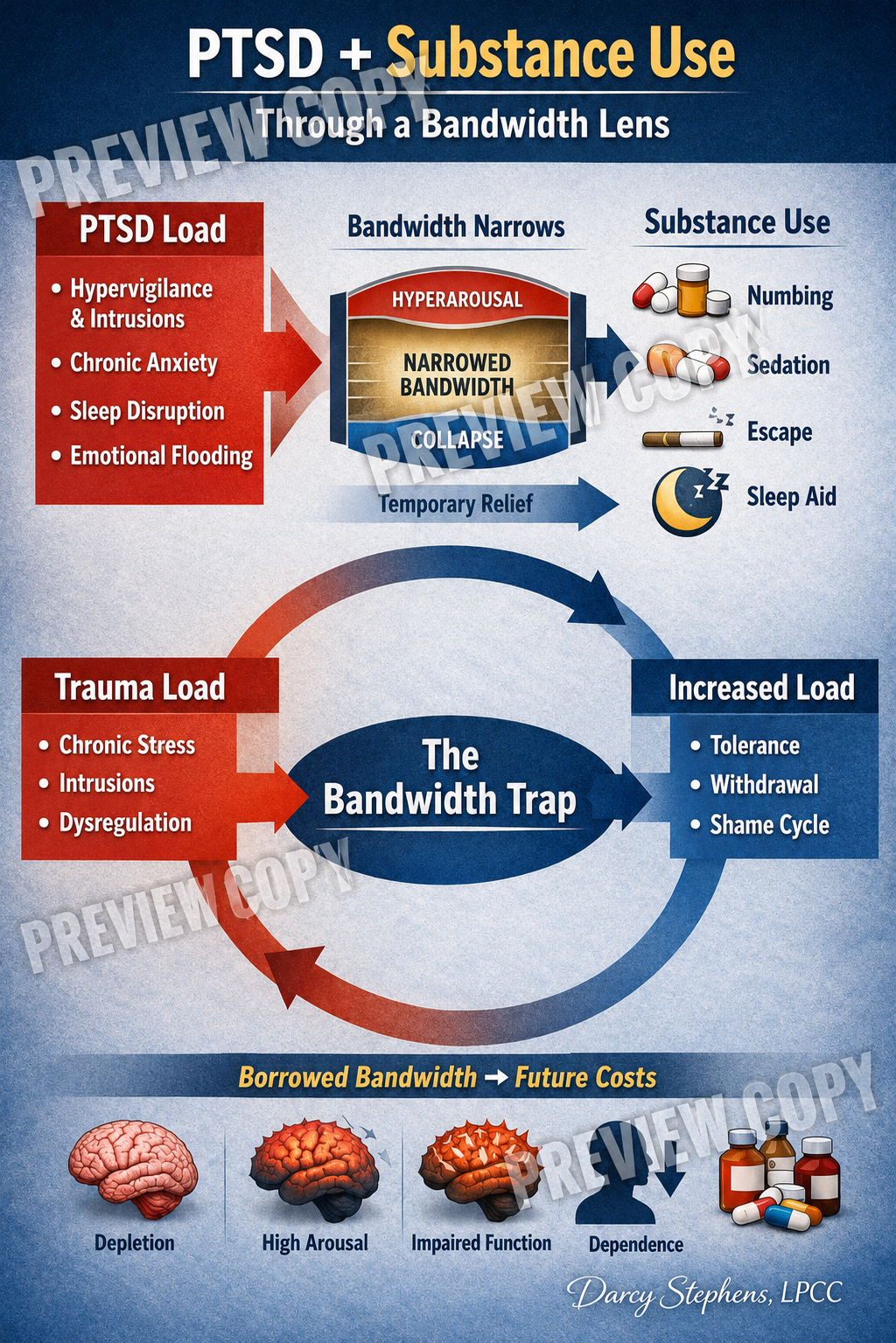
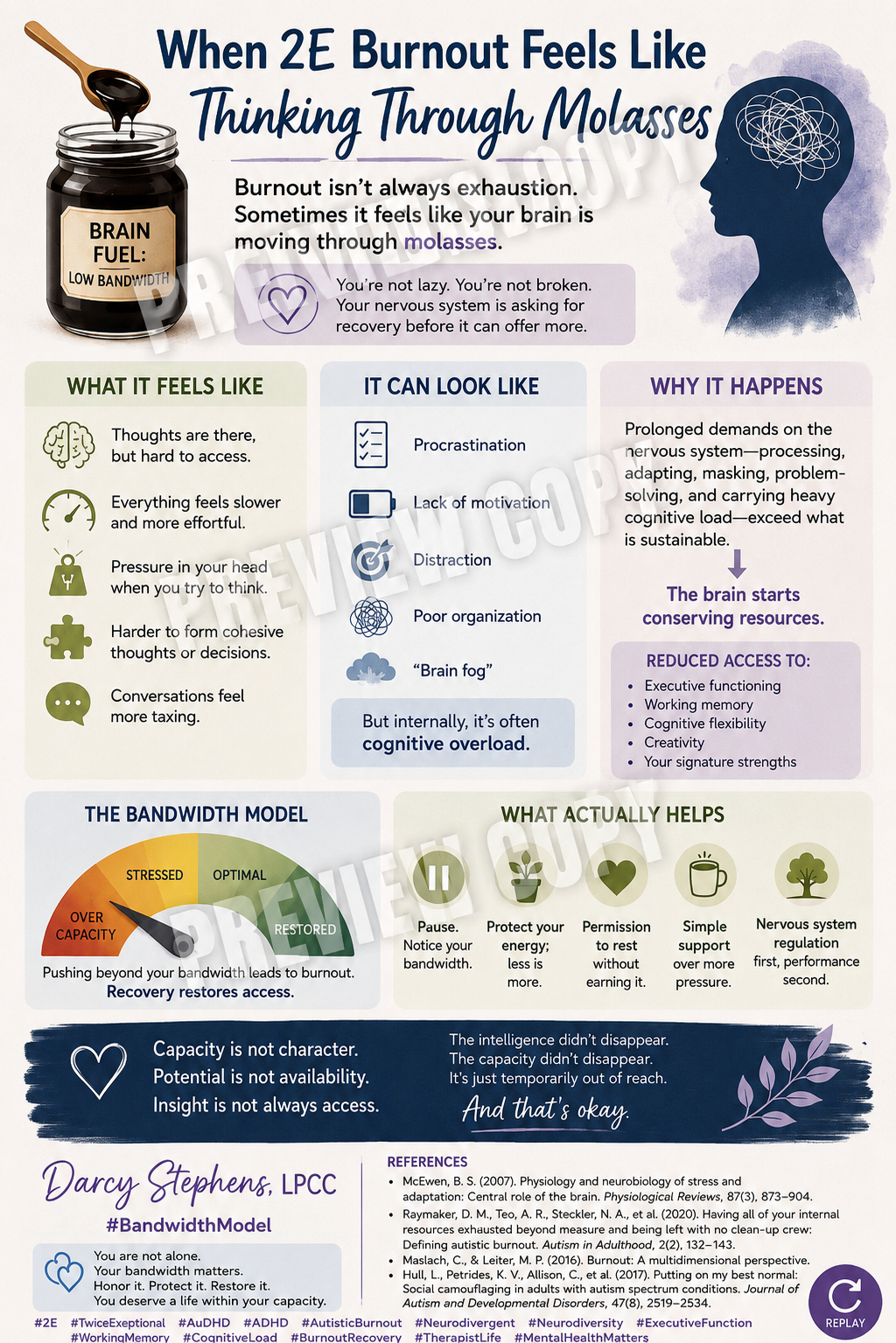
Burnout isn't a character flaw—it's what happens when the demands placed on your nervous system consistently exceed the resources available to meet them. Recovery isn't just about taking a vacation or "pushing through." It's about understanding how your nervous system is built and giving it the type of rest it actually needs.
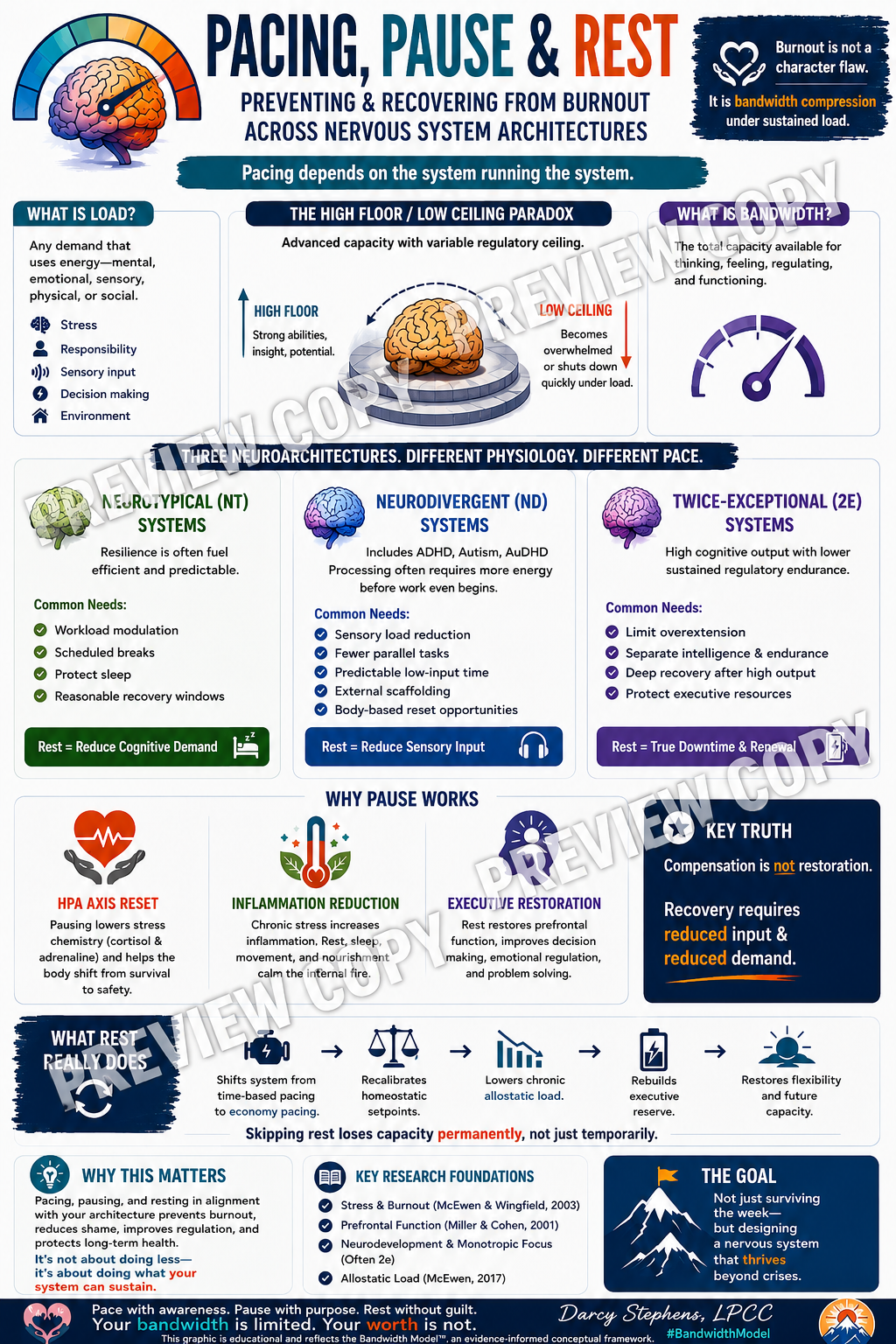
This infographic introduces the Bandwidth Model™ approach to burnout prevention by explaining:
What "load" and "bandwidth" actually mean
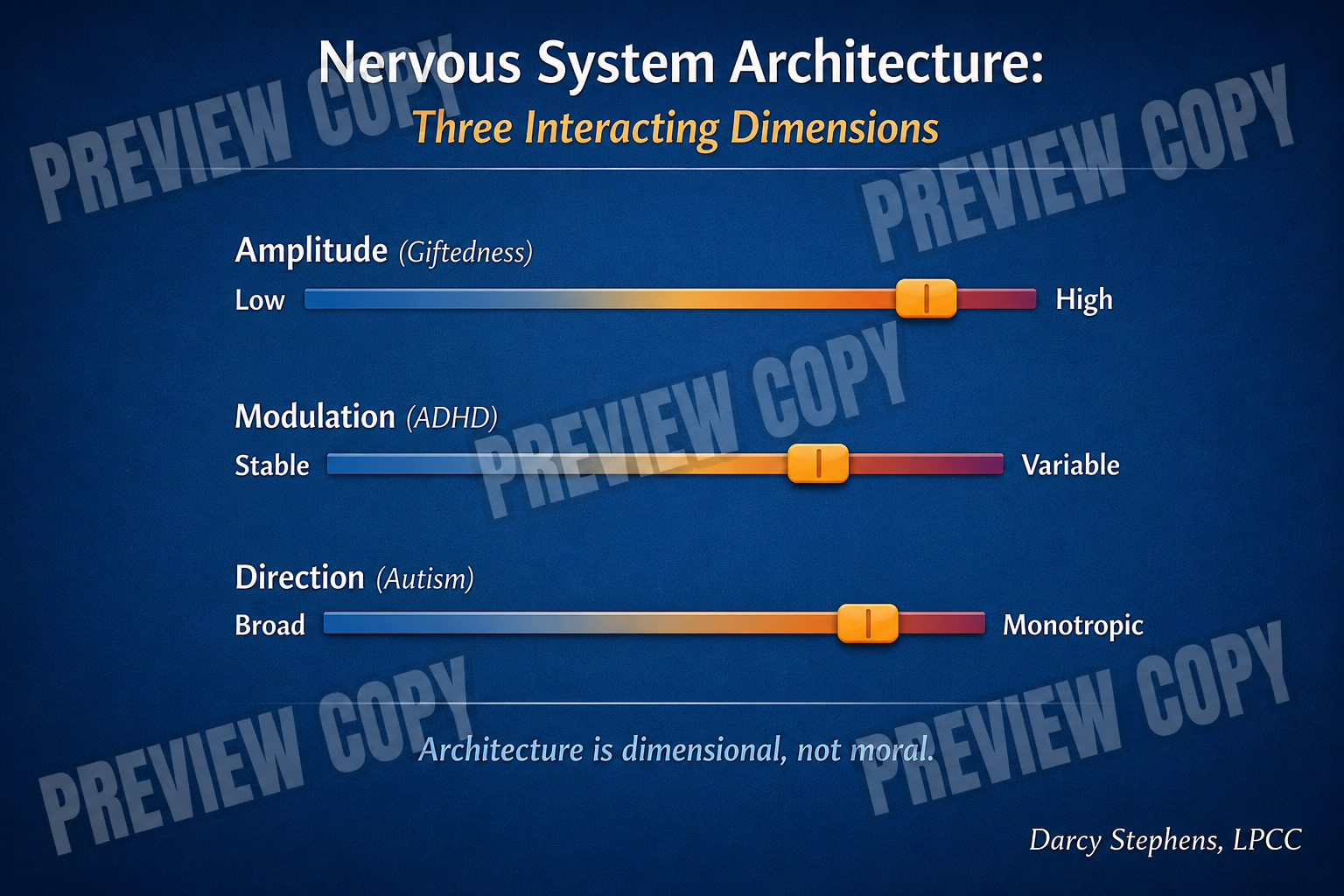
The High Floor / Low Ceiling paradox in twice-exceptional (2e) individuals
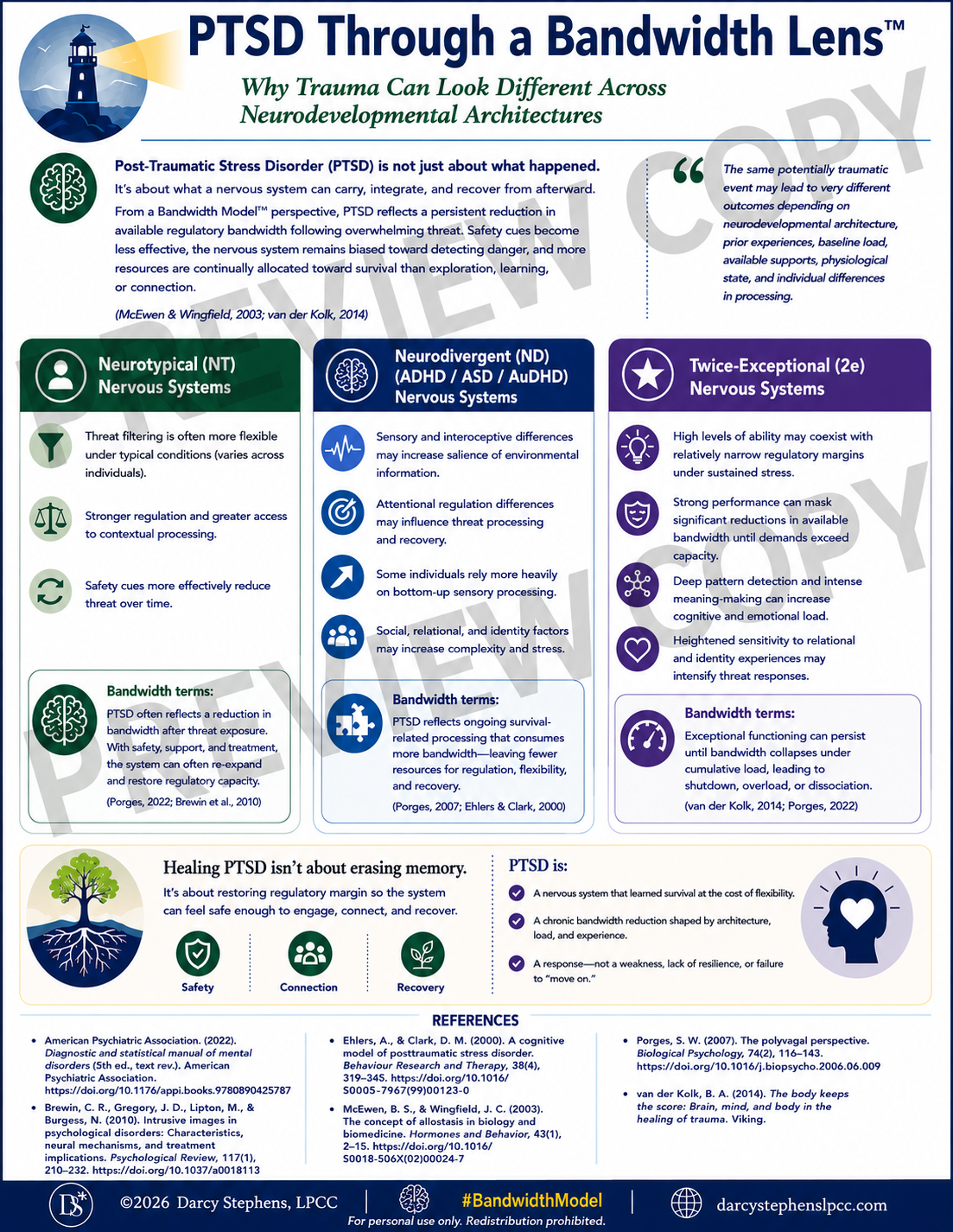
Why neurotypical, neurodivergent, and twice-exceptional nervous systems require different pacing strategies
How rest restores executive functioning, lowers allostatic load, and supports long-term regulation
Practical pacing principles that reduce burnout while protecting cognitive and emotional capacity
Perfect for clinicians, educators, coaches, caregivers, and neurodivergent adults looking for a practical, neuroscience-informed framework for sustainable performance.
Includes: 1 high-resolution printable PDF (8.5" × 11")
Topics: Burnout • Nervous System Regulation • ADHD • Autism • AuDHD • Twice-Exceptional (2e) • Executive Function • Allostatic Load • Recovery • Pacing • Bandwidth Model™
Educational use only. This resource is based on the Bandwidth Model™, an evidence-informed conceptual framework developed by Darcy Stephens, LPCC. It is intended for psychoeducation and is not a diagnostic or treatment tool.
Pacing, Pause & Rest: Preventing and Recovering from Burnout
Burnout isn't a character flaw—it's what happens when the demands placed on your nervous system consistently exceed the resources available to meet them. Recovery isn't just about taking a vacation or "pushing through." It's about understanding how your nervous system is built and giving it the type of rest it actually needs.
This infographic introduces the Bandwidth Model™ approach to burnout prevention by explaining:
What "load" and "bandwidth" actually mean
The High Floor / Low Ceiling paradox in twice-exceptional (2e) individuals
Why neurotypical, neurodivergent, and twice-exceptional nervous systems require different pacing strategies
How rest restores executive functioning, lowers allostatic load, and supports long-term regulation
Practical pacing principles that reduce burnout while protecting cognitive and emotional capacity
Perfect for clinicians, educators, coaches, caregivers, and neurodivergent adults looking for a practical, neuroscience-informed framework for sustainable performance.
Includes: 1 high-resolution printable PDF (8.5" × 11")
Topics: Burnout • Nervous System Regulation • ADHD • Autism • AuDHD • Twice-Exceptional (2e) • Executive Function • Allostatic Load • Recovery • Pacing • Bandwidth Model™
Educational use only. This resource is based on the Bandwidth Model™, an evidence-informed conceptual framework developed by Darcy Stephens, LPCC. It is intended for psychoeducation and is not a diagnostic or treatment tool.